Bruce Richards
Bruce Richards
Silent Sirens
Gallery Exhibition at 52 Walker Street
February 20 - April 4, 2026
Images
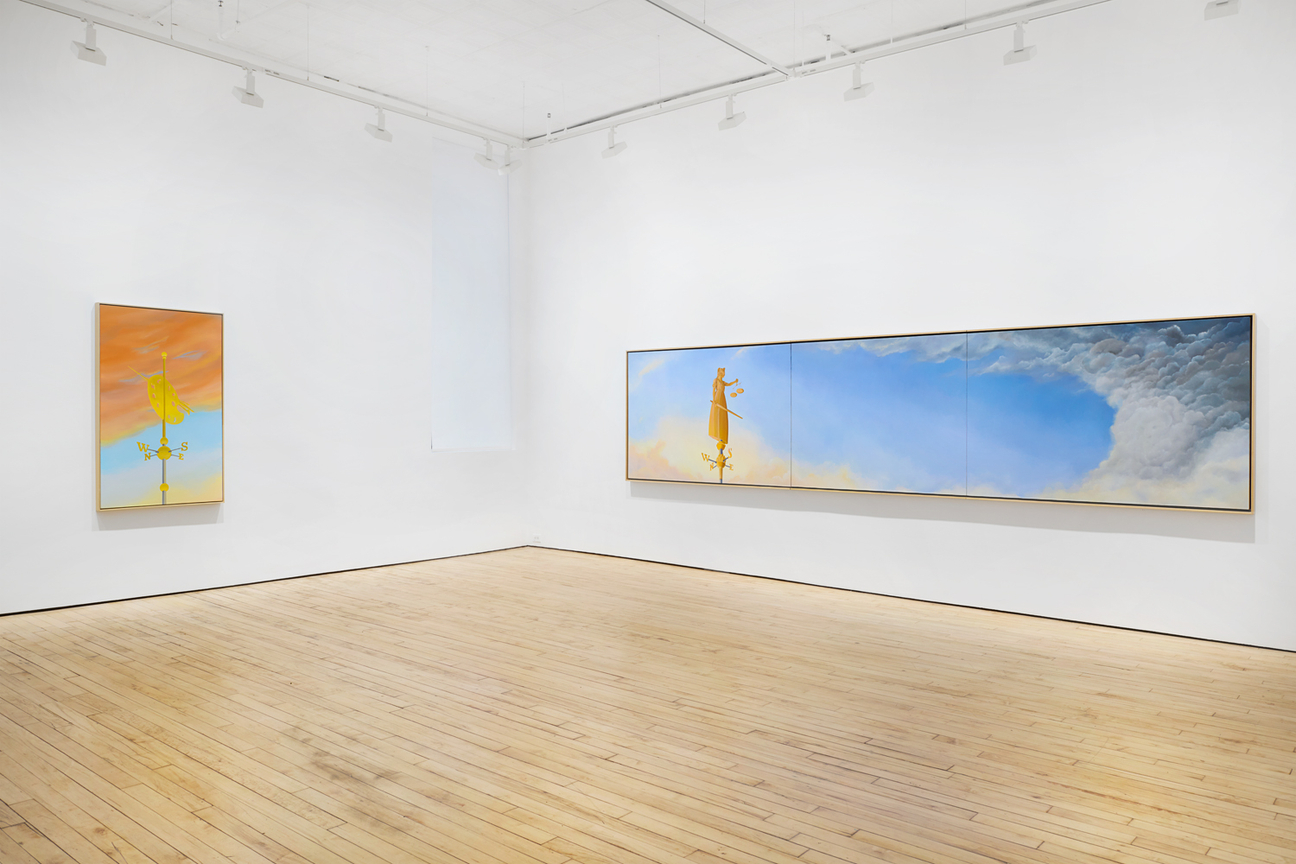
Installation view, Bruce Richards, Silent Sirens, James Cohan, 52 Walker St, New York, NY, February 20 - April 4, 2026.
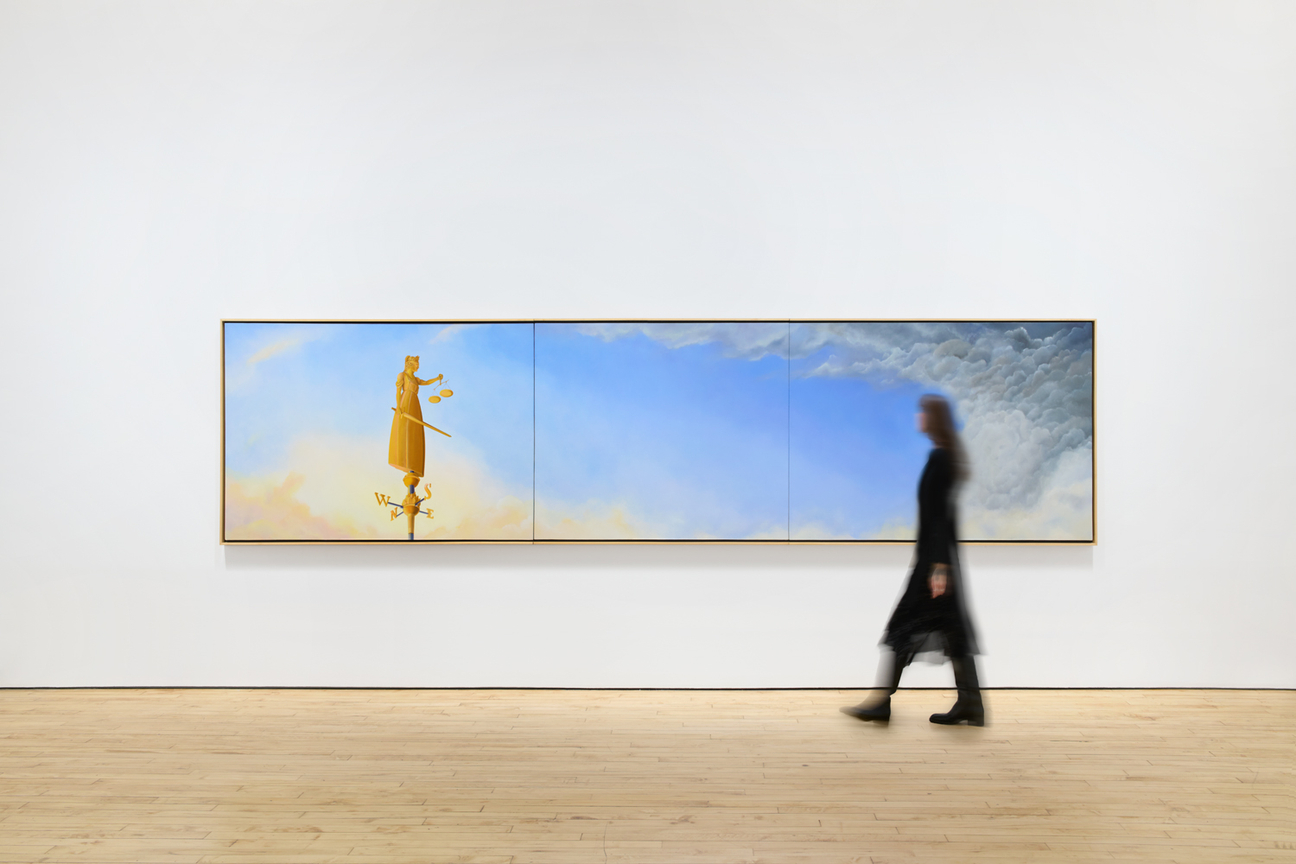
Installation view, Bruce Richards, Silent Sirens, James Cohan, 52 Walker St, New York, NY, February 20 - April 4, 2026.
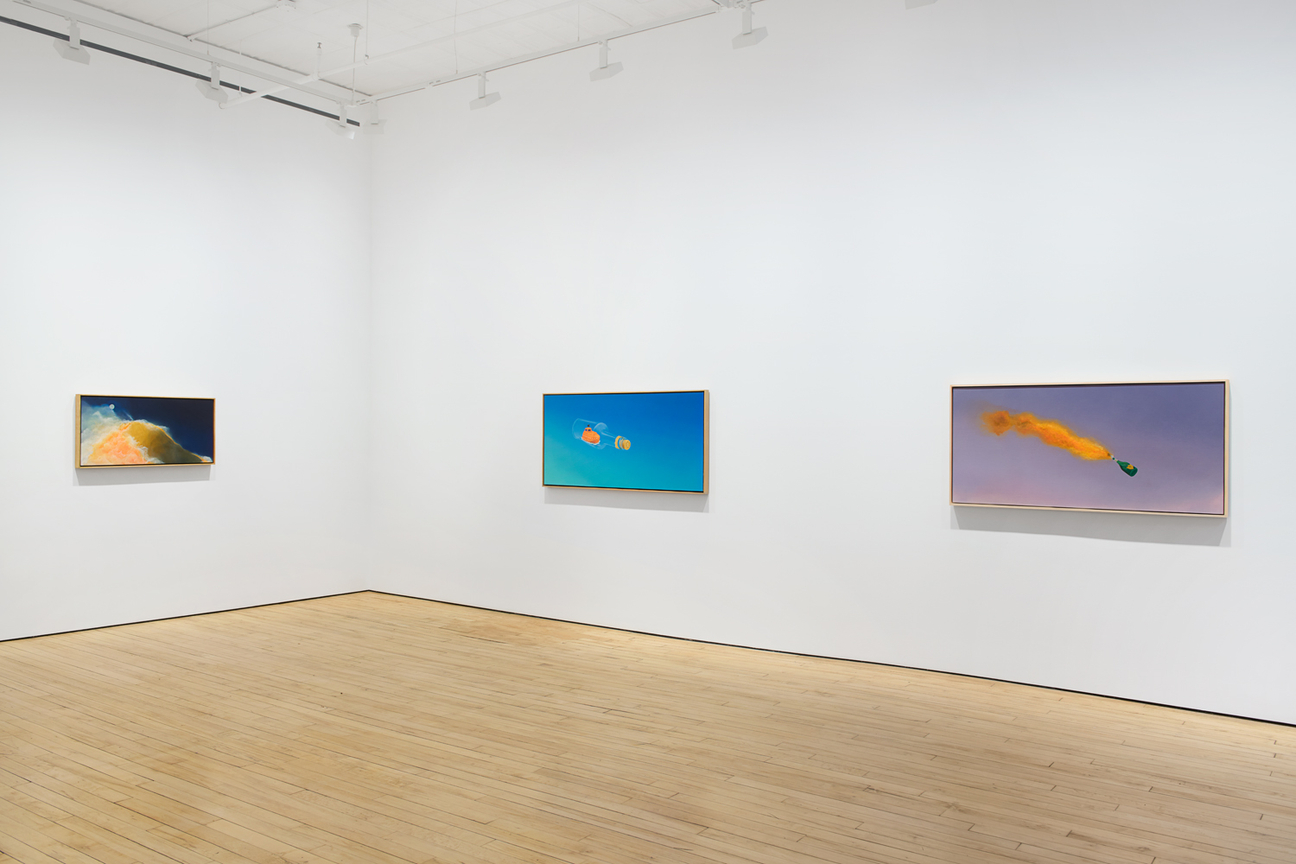
Installation view, Bruce Richards, Silent Sirens, James Cohan, 52 Walker St, New York, NY, February 20 - April 4, 2026.
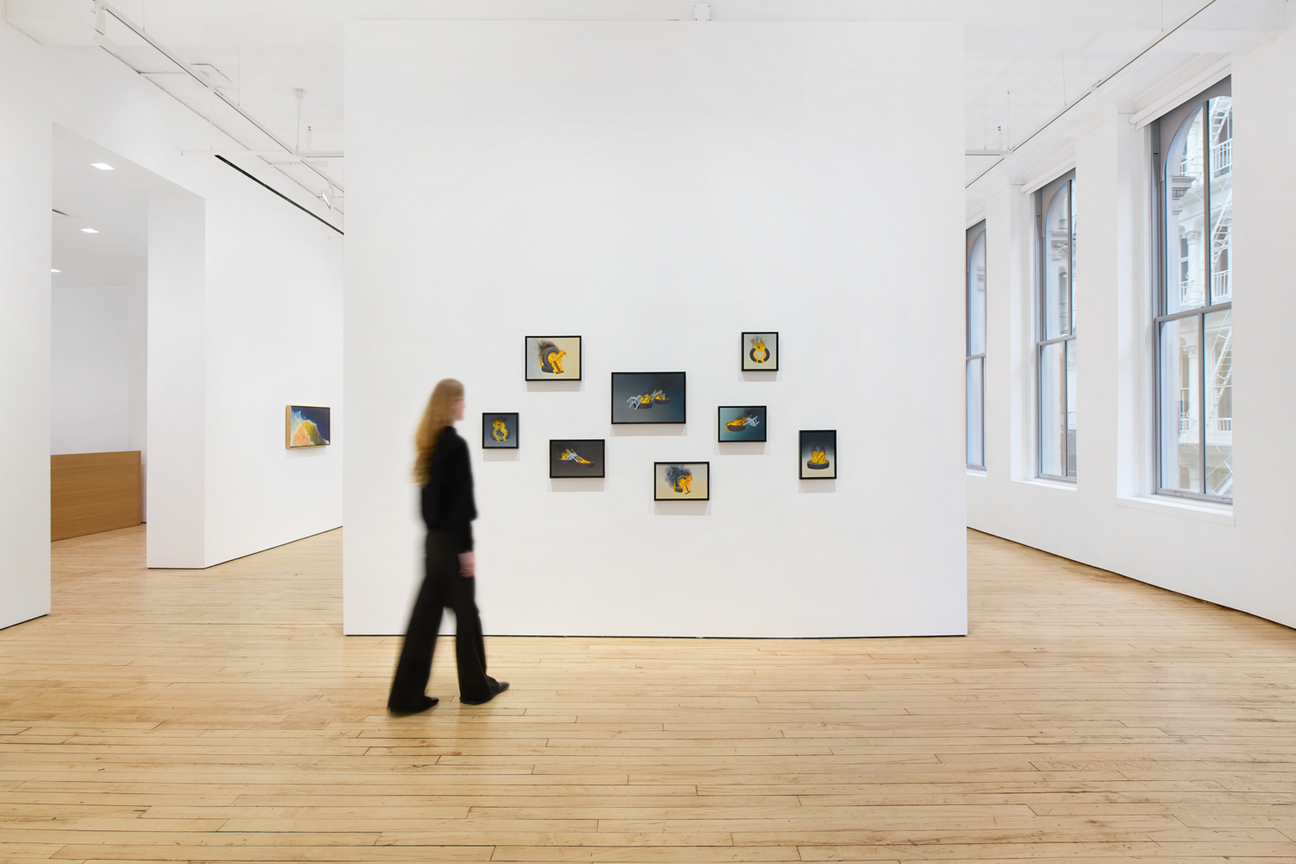
Installation view, Bruce Richards, Silent Sirens, James Cohan, 52 Walker St, New York, NY, February 20 - April 4, 2026.
Press Release
James Cohan is pleased to present Silent Sirens, a survey exhibition spanning forty years of work by Bruce Richards, on view at 52 Walker Street from February 20 to April 4, 2026. This is Richards’ first exhibition with James Cohan. The gallery will host an opening reception with the artist on Friday, February 20 from 6-8 PM.
Bruce Richards’ paintings depict everyday objects imbued with allegorical significance. Since the late 1970s, the artist has been celebrated for his emblematic riffs on “life distilled,” wherein his uncanny subject matter is physically removed from yet psychologically reflective of our collective consciousness. Rooted in his development as an artist in Los Angeles in the 1960s and 1970s, Richards’ practice takes an incisive, political, and irreverent look at the charged space between an image and what an image means.
Richards’ unique representational approach evolved alongside and grew distinctly apart from the Minimalist discourse prevalent in the 1970s, both in the Los Angeles art scene at large and at UC Irvine in particular, where Richards earned his BFA and MFA alongside peers such as Chris Burden and Alexis Smith, and studied with Robert Irwin, Vija Celmins, and Craig Kauffman. His work in these years reflected the prevailing Conceptual and Minimal movements of the time, yet his instincts as a storyteller revealed a deeper tie to narrative image-making via another form of Los Angeles industry: animation, and the popularity of distilled, stylized characters and worlds. Richards zeroed in on the evocative tensions between an ordinary item – a pair of scissors, a piece of fruit – and the filters of history, art history, and popular culture through which we view the world around us.
For over five decades, Richards has sharpened and expanded upon this singular, interpretative exercise. Reminiscent of advertisements, he suspends deceptively simple objects against a dark background, calling to mind the anonymous black velvet of a photography studio. The artist writes, “they are as you see objects in dreams, as known or remembered without the specifics of shadows. Recognizable without their true reality.” A move to New York in the early 2000s coincided with deepening cultural unease, bringing a sense of urgency to the work reflective of American political events and the rise of mass media.
Silent Sirens presents paintings from 1984 to 2025, highlighting three major thematic threads. A body of work from the mid-2000s referred to by the artist as Course of Empire explores imagery of burning tires and strewn chairs, named for English-born American painter Thomas Cole’s 1830s series exploring the fall of unnamed civilizations. Richards was initially taken by imagery of a tire fire set in protest in the Middle East, which he watched on television – the way that the toxic black smoke obfuscated the chaos created a physical and psychological scrim. Richards plays up the distance from the danger by exploring this phenomenon in a small scale, reminiscent of watching the news on a handheld screen. At this scale, danger becomes “a cautionary tale instead of a confrontation.” Richards too plays with the duality of fire as a source of comfort and of destruction, a primal push and pull that makes it hard to look away. The chairs reference seminal combine works by Robert Rauschenberg and Jasper Johns - themselves protests against abstraction - as well as the figure of speech “a seat at the table,” which speaks to voices left out of our collective conversation.
Love and luck are central themes for Richards, often intertwined. In the 1984 triptych Reason to Believe, a pink love letter - excitedly torn open - floats alongside a pair of scissors and a rock. The artist brings emotional weight to a childhood game, asking us to reflect on elements of choice and luck in our romantic lives, and how these hopeful impulses affect our adult futures. The titles of Richards’ works often reveal resonant, tongue-in-cheek meaning – Reason to Believe mirrors both the low-stakes competition of the game, as well as our belief in our ability to find love. In this same vein, a 2018 painting of a levitating candle burning impossibly at both ends is titled Marriage, raising universal and humorous questions about commitment and partnership.
Weathervanes are also an ongoing subject, each set against dramatic sunsets that can read as rapturously beautiful or potentially toxic. In place of where a rooster might traditionally perch, Richards’ weathervanes are topped by symbols that form the core of his personal iconography: an artist palette, the Scales of Justice, and the Big Bad Wolf from childhood fairytales. These icons, as straightforward as game pieces, loom large against cloudscapes that are cropped in such a way that they become placeless, rendering the weathervanes’ directional signals impossible to interpret.